
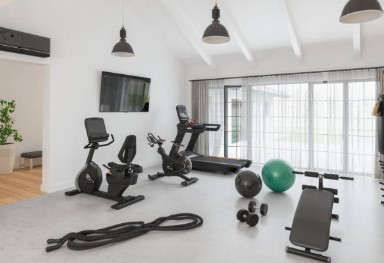
In the quest for personal health and fitness, a home gym presents a versatile and accessible option for individuals across a spectrum of fitness levels. From beginners just embarking on their fitness journey to seasoned athletes aiming to maintain or enhance their performance, a home gym can be tailored to meet diverse needs and goals. This article explores how to adapt your home gym routine to cater to different fitness levels, ensuring a safe, effective, and motivating workout environment for everyone.
Introduction
A home gym offers the perfect setting to personalize your fitness routine. With the right approach, equipment, and exercises, it can accommodate the ever-changing needs of your body as you progress through different stages of fitness. Understanding how to adjust your home gym routine is crucial for maximizing results while minimizing the risk of injury.
Assessing Your Fitness Level
Before adapting your home gym routine, accurately assessing your current fitness level is essential. This assessment can guide the selection of appropriate exercises, workout intensity, and equipment, facilitating a more effective and enjoyable fitness journey.
- Beginner: New to regular physical activity or returning after a long break.
- Intermediate: Comfortable with basic exercises and ready to increase intensity.
- Advanced: Experienced and looking for challenging workouts to improve performance.
Evaluating Fitness Components
- Strength: Ability to exert force against resistance.
- Endurance: Stamina in performing activities over extended periods.
- Flexibility: Range of motion available at a joint.
- Balance: Stability in maintaining a particular posture or during movement.
Equipment Selection for All Levels
Choosing the right equipment is fundamental to creating a versatile home gym that can adapt to varying fitness levels. Begin with basic, multi-purpose gear and consider more specialized equipment as you progress.
Essential Equipment
- Adjustable Dumbbells: Suitable for a wide range of exercises and fitness levels.
- Resistance Bands: Offer varying levels of resistance for strength training and flexibility exercises.
- Stability Ball: Enhances core strength and balance.
Advanced Equipment
- Weight Bench: For more complex strength training routines.
- Kettlebells: For high-intensity workouts and strength building.
- Pull-up Bar: To challenge upper body strength.
Tailoring Your Workout Routine
The core of adapting your home gym routine lies in customizing workout plans that align with your fitness level and goals.
For Beginners
- Focus on Form: Prioritize learning the correct form to build a strong foundation and prevent injuries.
- Start Slow: Begin with low-intensity exercises and gradually increase the difficulty.
- Sample Routine: Bodyweight exercises like squats, push-ups (or wall push-ups), and gentle stretches.
For Intermediate Users
- Increase Intensity: Incorporate more weights and higher resistance bands.
- Variety: Mix cardio, strength, and flexibility workouts to challenge the body in different ways.
- Sample Routine: Dumbbell exercises, kettlebell workouts for added resistance, and dynamic stretches for flexibility.
For Advanced Users
- High-Intensity Workouts: Include complex movements and high-intensity interval training (HIIT).
- Progressive Overload: Continuously increase the weight or resistance to challenge your muscles.
- Sample Routine: Compound lifts, pull-ups, and plyometric exercises for power and agility.
Adjusting Workouts for Progression and Plateaus
As you develop your fitness, adjusting your routine becomes necessary to continue making progress and avoid hitting a plateau.
- Track Your Progress: Keep a workout journal or use an app to monitor improvements and identify when it’s time to adjust your routine.
- Change It Up: Introduce new exercises, alter your workout split, or adjust your rest periods to keep your body guessing and improving.
Safety and Injury Prevention
Adapting your home gym routine also means prioritizing safety and injury prevention, especially as you increase the intensity of your workouts.
- Warm-Up and Cool-Down: Essential at every fitness level to prepare your body for exercise and aid in recovery.
- Listen to Your Body: Be mindful of signs of overtraining or discomfort, indicating the need to adjust your routine.
Conclusion
A home gym offers a flexible and convenient platform to cater to a wide range of fitness levels. By thoughtfully assessing your fitness level, selecting appropriate equipment, and tailoring your workout routines, you can create a dynamic and effective home gym experience that grows with you on your fitness journey. Remember, the key to successful adaptation lies in being responsive to your body’s needs, ensuring progression, and maintaining motivation towards achieving your health and fitness goals.