
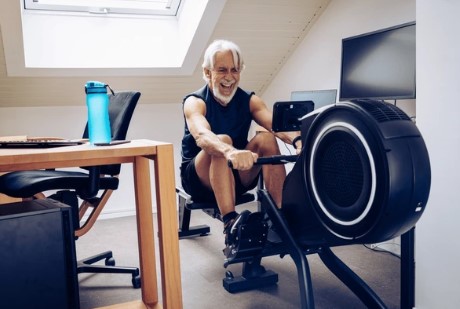
Running a marathon is an impressive feat at any age, but for seniors, it requires extra care and thoughtful planning. Here’s how older runners can adapt their marathon training to accommodate the changing needs of their bodies.
Understanding the Needs of Older Runners
Physiological Changes
- Reduced Muscle Mass and Strength: This natural aging process can impact running economy and speed.
- Longer Recovery Times: As the body ages, it takes longer to recover from workouts due to decreased cellular regeneration.
- Joint Wear and Tear: Older runners are more susceptible to joint issues, including arthritis, which can impact training and performance.
Training Tips for Senior Marathoners
Start with a Health Check
- Consult Healthcare Providers: Before beginning training, get a full medical check-up to assess your fitness level and identify any health concerns.
- Assess Fitness Level: Understand your baseline fitness to tailor your marathon training appropriately.
Adjust Training Volume and Intensity
- Reduce Intensity: Incorporate more low-impact cross-training activities such as cycling, swimming, or walking to reduce the overall impact on the joints.
- Increase Recovery Time: Allow for longer recovery periods between hard sessions; this might mean more non-running days.
- Modify Workouts: Focus on maintaining effort level rather than hitting specific paces that were achievable in younger years.
Focus on Flexibility and Strength Training
- Regular Stretching: Incorporate daily stretching routines to improve flexibility and decrease injury risk.
- Strength Training: Include exercises that build core strength, improve muscle tone, and protect joints, such as Pilates or yoga, along with traditional strength training routines.
Prioritize Injury Prevention
- Warm-Up Properly: Engage in a thorough warm-up routine to prepare the muscles and joints for the stress of running.
- Listen to Your Body: Pay attention to signs of fatigue and pain. Adjust training intensity and duration to avoid overtraining.
- Choose the Right Gear: Invest in high-quality running shoes that offer good cushioning and support; consider orthotics if recommended by a healthcare provider.
Nutrition and Hydration Needs
- Stay Hydrated: Older adults may have a diminished thirst response; make hydration a priority before, during, and after runs.
- Nutrient-Dense Diet: Focus on a balanced diet rich in anti-inflammatory foods, adequate protein for muscle repair, and carbohydrates for energy.
Developing a Pacing Strategy
- Pace Adjustments: Training paces should reflect current fitness capabilities. Use heart rate zones or perceived effort levels instead of fixed pace targets.
- Race Strategy: Plan for a conservative start to conserve energy, and prepare for a race pace that aligns with training experiences and fitness level.
Social and Mental Aspects
- Join Running Groups: Participate in running clubs or groups tailored to older adults. These groups provide social support and motivation.
- Set Realistic Goals: Adjust expectations to focus more on completing the training and race comfortably rather than competing for times.
Conclusion
Marathon training as a senior runner offers tremendous health benefits, including improved cardiovascular health, stronger bones, and enhanced mental well-being. By making thoughtful adjustments to your training plan, focusing on injury prevention, and setting realistic goals, you can enjoy the rewards of marathon running at any age.
Remember, the key to successful marathon training in your senior years is to respect your body’s capabilities and limitations, adjusting your approach as necessary to maintain health and motivation.