
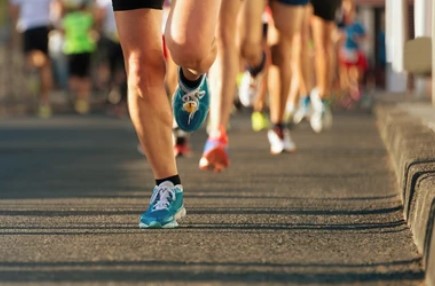
The completion of a marathon is a monumental achievement, marking the culmination of months of hard training and dedication. However, the race’s end signals the beginning of the crucial recovery phase. The first 48 hours after crossing the finish line are pivotal for effective recovery. Here’s how to navigate this period for optimal recovery.
Immediate Post-Race Recovery
Cool Down and Stretch
- Gentle Movement: Avoid stopping abruptly post-race. Walk around for 5 to 10 minutes to help your body transition into recovery mode.
- Stretch Gently: Perform light stretching focusing on major muscle groups used during the run. Avoid intense stretching as muscles are vulnerable post-race.
Rehydrate and Refuel
- Fluids: Start rehydrating immediately, including water and electrolyte-replenishing beverages to replace lost salts.
- Nutrition: Consume a mix of carbohydrates and protein soon after finishing to replenish energy stores and aid muscle repair. Snacks or recovery shakes are perfect for immediate post-race nutrition.
Post-Race Medical Check
- Attend to Injuries: Use the medical tent if you have any concerns. Addressing issues immediately can prevent complications later.
The First 24 Hours
Continue to Rehydrate and Refuel
- Nutrition: Focus on balanced meals with a higher emphasis on proteins and carbohydrates to support muscle repair and recovery.
- Hydration: Keep drinking water and electrolyte-rich fluids to fully rehydrate your body.
Active Recovery
- Light Activity: Engage in light activities such as walking or gentle cycling. This helps increase circulation, aiding the removal of waste products accumulated in your muscles.
Cold Therapy
- Ice Baths or Cold Showers: Utilizing cold therapy can help reduce inflammation and muscle soreness. Limit ice baths to 10-15 minutes to avoid muscle tightness.
Compression Gear
- Use Compression Clothing: Wearing compression socks or leggings can help reduce muscle swelling and discomfort.
The Next 24 to 48 Hours
Continued Nutrition and Hydration Focus
- Antioxidant-Rich Foods: Incorporate foods high in antioxidants (berries, leafy greens) to combat oxidative stress from the marathon.
- Keep Hydrating: Continue to focus on hydration, adding in natural juices or smoothies for an extra nutrient boost.
Sleep and Rest
- Prioritize Sleep: Aim for quality sleep, as this is when the body undergoes the most significant repair and recovery processes.
- Rest: Allow yourself to rest more than usual, minimizing physical activity to give your body time to recover.
Gentle Mobility Exercises
- Light Stretching and Yoga: Engage in gentle stretching or yoga to maintain mobility, focusing on flexibility rather than intensity.
Massage or Foam Rolling
- Muscle Therapy: If possible, schedule a massage with a professional who specializes in sports recovery, or use a foam roller to gently massage sore muscles, enhancing blood flow and flexibility.
Listen to Your Body
- Adjust Activities Based on Recovery: Be mindful of how your body feels. If you are experiencing significant soreness or fatigue, allow more time for rest and recovery before resuming any form of intense physical activity.
Mental Recovery
- Reflect on Your Achievement: Take time to appreciate your effort and achievement, acknowledging the mental and physical exertion involved in completing a marathon.
- Gradual Return to Running: Wait until you feel mentally and physically ready to start running again, which for many is after a full week of recovery.
-
Conclusion
The first 48 hours after a marathon are critical for effective recovery. By focusing on proper nutrition, hydration, gentle physical activity, and rest, you can aid your body’s recovery process, reduce soreness, and set the foundation for your return to running.
Remember, recovery is as crucial as training in your marathon journey, and giving your body the care it needs post-race will pay dividends in your overall health and future performance.