
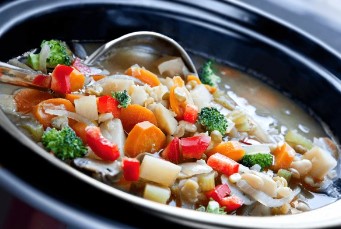
Adopting a vegan or vegetarian lifestyle can be incredibly beneficial for marathon training, provided you carefully manage your diet to support long-distance running requirements. Here’s how to optimize your plant-based diet for better performance and recovery during marathon training.
Understanding Nutritional Needs
Key Nutrients for Runners
- Protein: Essential for muscle repair and recovery. Plant-based sources include lentils, chickpeas, tofu, tempeh, and a variety of beans.
- Iron: Necessary for oxygen transport in blood. Plant sources are less readily absorbed, so include foods like spinach, lentils, and fortified cereals, and combine them with Vitamin C-rich foods to enhance absorption.
- Calcium: Important for bone health. Opt for fortified plant milks, almonds, tahini, and leafy greens.
- Vitamin B12: Critical for nerve function and energy production. Use fortified foods or supplements as this vitamin is not available from plant sources.
- Omega-3 Fatty Acids: Important for cardiovascular health. Include flaxseeds, chia seeds, walnuts, and algae-based supplements.
Fueling Before, During, and After Runs
Pre-Run Meals
- Focus on Carbohydrates: Eat a high-carb, low-fiber meal 2-3 hours before running. Good options include oatmeal with banana and almond butter, or whole grain toast with jam.
- Hydration: Start hydrating at least an hour before a run to ensure you begin well hydrated.
During the Run
- Carbohydrate Replacement: For runs longer than 60 minutes, carry carbohydrates such as dates, raisins, or commercial energy gels or chews that are certified vegan.
- Stay Hydrated: Use water for shorter workouts and a mix of water and electrolyte drinks for longer sessions, particularly in hot weather.
Recovery Nutrition
- Protein and Carbs: After a long run or race, consume a 4:1 ratio of carbs to protein to replenish energy stores and repair muscles. A smoothie with vegan protein powder, banana, berries, and spinach can be an excellent post-run meal.
- Rehydration: Continue to replace fluids and electrolytes after your run to aid recovery.
Sample Meal Plan for a Day
Breakfast
- Vegan Pancakes: Made with oat flour, almond milk, and topped with fresh berries and maple syrup.
- Protein Smoothie: Pea protein powder, banana, frozen mango, and flaxseed mixed with almond milk.
Lunch
- Quinoa Salad: Quinoa with cherry tomatoes, cucumber, chickpeas, avocado, and a lemon-tahini dressing.
- Whole Grain Bread: Served with a spread of hummus.
Snack
- Nuts and Fruit: A handful of walnuts or almonds with an apple or orange.
- Energy Bars: Homemade or store-bought vegan bars.
Dinner
- Stir-Fry: Tofu stir-fried with a variety of vegetables such as bell peppers, broccoli, and snap peas, served over brown rice or whole grain noodles.
- Lentil Soup: Rich in protein and iron, served with a side of whole grain bread.
Snack
- Chia Pudding: Made with chia seeds, almond milk, and topped with coconut shreds and kiwi.
Tips for Optimal Nutrition
- Diversify Your Diet: Ensure you’re eating a wide range of fruits, vegetables, whole grains, and protein sources to cover all nutritional bases.
- Monitor Iron Levels: Vegetarian and vegan athletes are at higher risk for iron deficiency. Regular blood tests can help monitor iron levels, and iron supplements might be necessary according to medical advice.
- Plan Ahead: Prepare meals and snacks in advance to ensure you always have nutritious, plant-based options on hand.
Conclusion
A well-planned vegan or vegetarian diet can support the high demands of marathon training and racing. By focusing on nutrient-dense foods and proper meal timing, plant-based marathoners can perform as well as their omnivorous counterparts. Remember to tailor your diet to your specific energy needs, which can vary significantly during different phases of marathon training.